


Essential Goods Made Possible by Rotational Mold
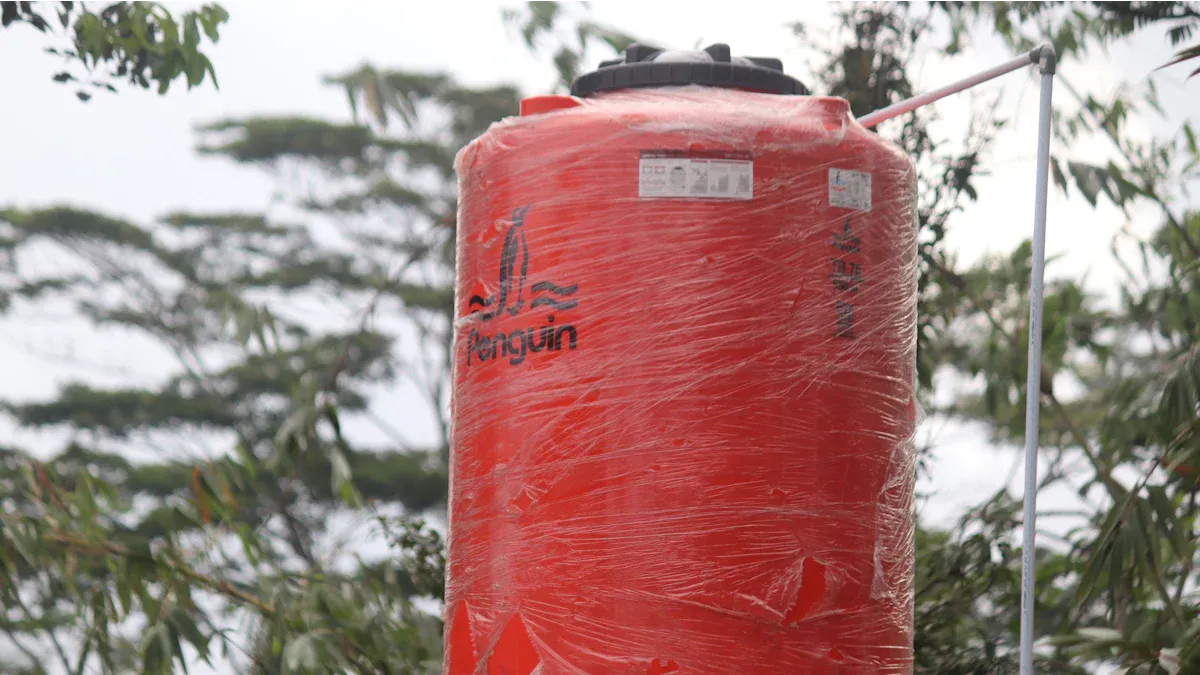
I see the impact of rotational mold every day. Products like water tanks, medical equipment, and automotive parts stay affordable and available because of this process.
- Rotational mold uses less energy and creates less waste than other methods.
- Manufacturers reuse materials, which saves money and helps the environment.
- Durable, lightweight goods last longer and cost less.
Key Takeaways
- Rotational Molding creates strong, seamless products that last longer and resist leaks, making it ideal for essential goods like water tanks, medical devices, and playground equipment.
- This process saves money and energy by using low-cost molds, recycling materials, and reducing waste, helping manufacturers deliver affordable and eco-friendly products.
- Rotational molding offers great design freedom, allowing makers to produce complex shapes with special features, meeting diverse needs across industries from healthcare to automotive.
Understanding the Rotational Mold Process
How Rotational Mold Works
I have seen how the rotational mold process turns simple plastic powder into strong, useful products. The process starts when I prepare the mold and choose the right material. Most molds are made from metals like cast aluminum or steel because they heat up quickly and have smooth surfaces. I usually use polyethylene plastics, such as LLDPE or HDPE, because they are tough and easy to recycle. Sometimes, I add colors or UV stabilizers to make the product last longer outdoors.
Here is how the process works:
- I load a measured amount of plastic powder into the mold.
- I close the mold and place it in an oven.
- The mold rotates slowly in two directions while it heats up. The powder melts and sticks to the inside of the mold.
- I keep the mold hot so the plastic forms a solid layer.
- I cool the mold slowly, using air or water.
- I open the mold and remove the finished part.
This method makes sure the Plastic Coats the mold evenly and forms a strong, seamless product.
Why Rotational Mold Is Ideal for Essential Goods
I choose rotational mold for many essential goods because it offers several advantages over other methods. The process lets me create large, hollow, and complex shapes without seams or weak spots. I can make products with double walls or special features that other methods cannot match.
Here is a table that shows some key advantages:
| Technical Advantage | Explanation |
|---|---|
| Enhanced Design Freedom | I can make complex, seamless parts with detailed features. |
| Cost-Effective Tooling | The molds cost much less, which helps when I need small batches or new designs. |
| Durability and Strength | Products come out strong and last a long time because they have no seams. |
Rotational mold helps me deliver safe, reliable, and affordable goods that people use every day.
Water Storage Solutions Made with Rotational Mold
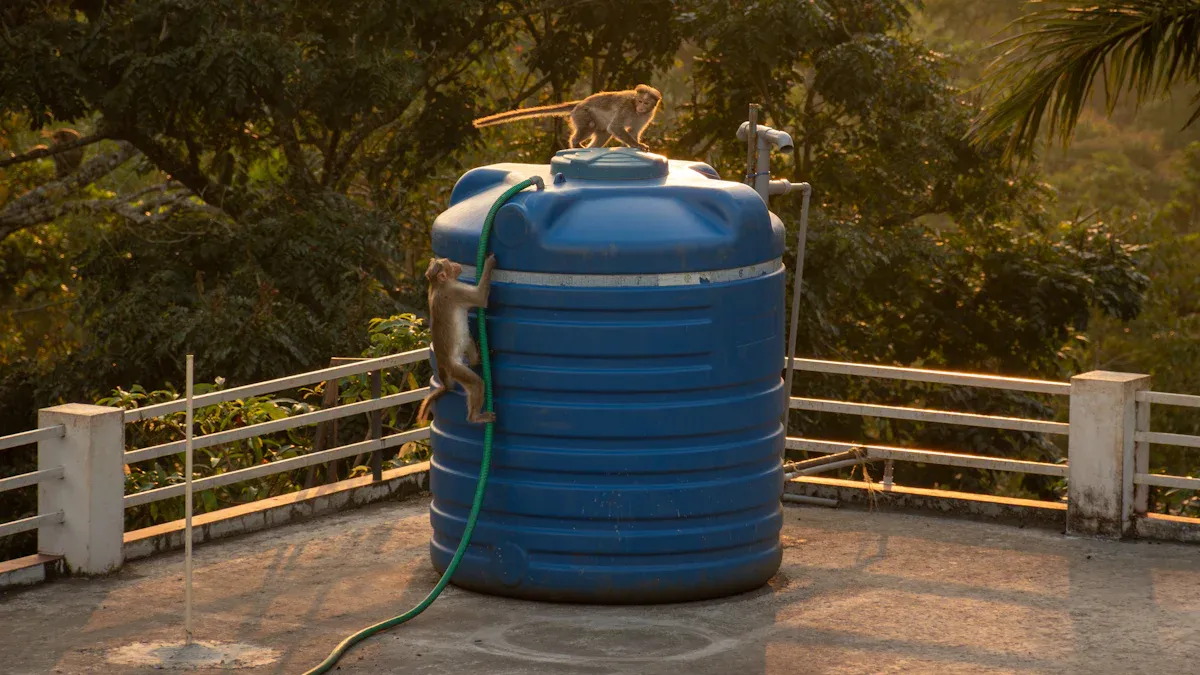
Water Tanks
I work with water tanks every day, and I see how important they are for homes, farms, and businesses. I use rotational mold to create tanks from cross-linked polyethylene (XLPE) powder. This material gives the tanks extra strength and helps them resist cracking. I can make tanks in many sizes and shapes by changing the mold and adjusting the wall thickness. Most of the tanks I produce are seamless and hollow, which means they do not leak and last a long time.
Rotationally molded water tanks hold a large share of the market. In 2024, storage tanks made with this process represent about 38.6% of the rotational molding materials market. Polyethylene tanks are the most popular, making up 80% of the market. I use virgin polyethylene for most tanks because it is high quality and durable. These tanks are lighter and cost less than metal tanks. They also resist rust and corrosion, which makes them a better choice for storing water.
I always make sure my tanks meet strict safety standards. In the United States, I follow the NSF/ANSI/CAN 61 certification. This standard checks that no harmful chemicals leak into the water. My tanks pass tests for 38 common water treatment chemicals. This gives my customers confidence that their water stays safe.
Tip: Always check for the NSF/ANSI/CAN 61 mark when buying a water tank. This mark means the tank is safe for drinking water.
Septic Tanks
I also use rotational mold to make septic tanks. These tanks need to be strong because they stay underground for many years. I use industrial-grade polymers like HDPE or LLDPE. These materials resist chemicals and weather. The seamless design of the tanks prevents leaks and keeps the environment safe.
Rotationally Molded septic tanks have thick walls. This helps them handle the pressure from soil and water. I can customize the size and shape to fit different needs. My tanks work well for both small homes and large buildings. They last longer than tanks made with other methods, such as blow molding. I see fewer problems with cracks or failures in my tanks.
Rainwater Harvesting Systems
Rainwater harvesting systems help people save water. I make these systems using the same rotational mold process. The tanks collect rain from roofs and store it for later use. I design the tanks to handle outdoor conditions like sun, rain, and temperature changes. The thick, seamless walls protect the water from leaks and contamination.
I can add features like filters, outlets, and inspection ports during the molding process. This makes the tanks easy to use and maintain. Many schools, farms, and homes use my rainwater tanks to water gardens or flush toilets. The tanks meet the same safety standards as drinking water tanks, so the stored water stays clean.
Here is a table that shows the benefits of rotationally molded water storage solutions:
| Feature | Benefit |
|---|---|
| Seamless Construction | Prevents leaks and increases strength |
| Thick Walls | Withstands pressure and daily use |
| Chemical Resistance | Safe for water and waste storage |
| Customizable Design | Fits many applications and locations |
| Certified Safe | Meets NSF/ANSI/CAN 61 standards |
I trust rotational mold for all my water storage solutions. The process gives me tanks that last, keep water safe, and meet the needs of my customers.
Medical and Healthcare Products from Rotational Mold
Medical Device Housings
I often use rotational mold to make housings for medical devices. These housings protect sensitive equipment like monitors, pumps, and diagnostic tools. The process gives me parts with even wall thickness and a smooth finish. This makes the housings strong and easy to clean. I can add textured surfaces to help doctors and nurses grip the devices safely. Sometimes, I mold clear labels or instructions right onto the surface. This helps prevent mistakes and keeps the equipment safe for patients.
Sanitation and Waste Containers
Hospitals and clinics need safe ways to handle waste. I make sanitation containers using rotational mold because the process creates seamless, leak-proof bins. These containers resist chemicals and are easy to wash. I can design them with bright colors or warning signs molded into the plastic. This helps staff sort waste quickly and avoid accidents. The smooth surfaces stop germs from hiding in cracks, which supports infection control.
- Rotational molding gives me these benefits for healthcare products:
- Uniform wall thickness for strength and reliability
- Textured surfaces for better grip and safety
- Molded graphics for clear labeling
- Easy-to-clean finishes for infection control
Patient Care Products
I also use rotational mold to make products that help patients every day. Items like spine boards, bedpans, and mobility aids come from this process. I can add foam filling to spine boards, which makes them rigid and comfortable. The products stay lightweight but strong. I make sure every item is easy to clean, which helps stop the spread of germs. Consistent quality means patients and staff can trust these tools.
Automotive and Transportation Parts Using Rotational Mold
Fuel Tanks
I often use rotational mold to make fuel tanks for cars, trucks, and even boats. This process lets me create tanks with complex shapes that fit into tight spaces. I can add features like baffles and mounting points right into the tank during molding. The plastic I use resists corrosion, so the tanks last longer than many metal ones. I have seen how these tanks handle impacts better, which keeps fuel safe in accidents. Many car makers choose plastic tanks because they weigh less and help improve fuel efficiency.
Air Ducts and Housings
I also make air ducts and housings for vehicles. These parts move air to engines and inside cabins. Rotational mold allows me to create smooth, curved shapes that help air flow better. The plastic stands up to heat and vibration, which is important under the hood. I can make large, hollow parts without seams, so there are fewer leaks. This keeps engines running well and cabins comfortable.
Storage Bins and Toolboxes
Storage bins and toolboxes in trucks and work vehicles often come from rotational mold. I design these containers to be tough and weatherproof. The thick plastic walls protect tools and gear from rain, dust, and bumps. I can add handles, hinges, and locks during the molding process. These bins do not rust like metal ones, and they are easier to clean. Many drivers tell me they like how light these bins feel, even when full.
Note: Rotationally molded automotive parts offer more design freedom and better corrosion resistance than metal parts. They are heavier and simpler than injection-molded parts, but they handle impacts well and cost less to make.
| Aspect | Rotationally Molded Parts | Injection Molded Parts |
|---|---|---|
| Weight | 3-10% heavier due to thicker walls | Lighter with thinner walls |
| Design Complexity | Simpler, limited undercuts, fewer surface details | High precision, complex features, undercuts |
| Strength | Good impact resistance, but lower strength-to-weight ratio | Higher strength-to-weight ratio |
| Corrosion Resistance | Excellent | Good |
Industrial and Commercial Containers by Rotational Mold
Chemical Storage Tanks
I often make chemical storage tanks for factories and plants. These tanks need to be tough because they hold strong chemicals and solvents. I use special plastics that resist corrosion and leaks. The seamless design keeps the chemicals safe inside. I can add fittings, valves, and even sight windows during the molding process. Many industries trust my tanks because they last a long time and do not rust. I see these tanks in places like chemical plants, food ingredient factories, and construction sites.
Bulk Material Hoppers
Bulk material hoppers help move and store dry goods like powders, grains, or pellets. I design these hoppers to handle heavy loads and rough use. The smooth inside walls make sure materials flow out easily. I can shape the hoppers to fit different machines or trucks. Many companies reuse these hoppers because they clean up fast and do not break easily. I notice that food companies, chemical makers, and builders all use my hoppers for safe storage and transport.
- Industries that rely on these containers include:
- Chemical and solvent production
- Food ingredients
- Construction materials
- Dry goods
Shipping Containers
Shipping containers made with this process protect goods during transport. I build them to be strong and weatherproof. The thick plastic walls keep out water and dirt. I can add handles, locks, and labels right into the container. Many businesses use these containers again and again because they do not dent or rust. I see them moving products by truck, train, or ship every day.
Recreational and Consumer Goods via Rotational Mold

Playground Equipment
I help make playground equipment that children use every day. The process lets me create slides, tunnels, and climbing walls with smooth, rounded edges. I can design these pieces in bright colors that stay vivid even after years in the sun. The plastic I use resists fading and cracking. I shape the equipment with curves and details that keep kids safe and excited to play. The seamless construction means there are no sharp joints or weak spots. I see how these features make playgrounds safer and more fun for everyone.
Kayaks and Canoes
I enjoy making kayaks and canoes because the process allows me to form strong, lightweight boats. I rotate the mold so the plastic coats every part evenly. This gives the boats a smooth finish and even thickness. I can add handles, seats, and storage areas right into the design. The colors I use do not fade, even after long days on the water. Many people tell me they like how easy these boats are to carry and clean. I know the seamless design helps keep water out and makes the boats last longer.
Large Outdoor Toys
I also create large outdoor toys like playhouses, ride-on cars, and sandboxes. The process lets me make toys with fun shapes and bright colors. I can add details like windows, doors, and wheels all in one piece. The toys stay strong even when kids jump or climb on them. Parents tell me they like how easy it is to wash these toys. I see that the vibrant colors and smooth surfaces make them a favorite in many backyards.
Tip: Look for toys and playground equipment with smooth, seamless surfaces. These are often safer and last longer outdoors.
Advantages of Rotational Mold for Essential Goods
Durability and Strength
I trust rotational mold because it makes products that last. When I add natural fibers like jute or sugarcane bagasse to LLDPE, I see tanks and containers become even stronger. Scientific tests, such as ASTM D790-17 for flexural strength and ASTM D256-10 for impact strength, show that these products can handle more stress and hits than regular plastic. I use the right amount of fiber—about 5%—to keep the impact resistance high. If I add too much, the product can get weak. Here is a table that shows how fiber reinforcement affects strength:
| Property | Test Standard | 5% Fiber Added | More Than 5% Fiber | Notes |
|---|---|---|---|---|
| Flexural Strength | ASTM D790-17 | Increases 8-13% | Decreases | Best improvement at 5% fiber |
| Impact Strength | ASTM D256-10 | Stays the same | Drops a lot | Too much fiber causes cracks |
| Hardness (Shore D) | N/A | Slightly lower | Higher at 15% | Voids and cracks can affect hardness |
Cost-Effectiveness
I choose rotational mold for many projects because it saves money. The molds cost much less than those for injection molding. I can start production faster because I do not wait long for tooling. When I need to make changes, I do not spend much. For large runs, I use several molds at once to keep up with demand. I also use recycled materials, which lowers costs and helps the environment.
- Tooling costs are about one-tenth of injection molding.
- I can reuse scrap and off-cuts, reducing waste.
- The process uses less energy, so I save on power bills.
Design Flexibility
I enjoy the freedom that rotational mold gives me. I can make double-walled parts, add foam for insulation, or include metal inserts right in the mold. I shape products with smooth curves and no sharp corners. I even add features like handles, threads, or graphics during molding. This flexibility lets me meet special needs for each customer.
- I can change wall thickness by adjusting the amount of plastic.
- I make complex shapes, like multi-chamber tanks or cases with cooling vents.
- I add fittings and labels without extra steps.
Seamless Construction
I always aim for seamless products. Rotational mold lets me make tanks, bins, and toys with no joints or welds. This means fewer leaks and less chance of contamination. The seamless design also makes cleaning easy and keeps products strong. I notice that seamless parts last longer and need less repair.
Note: Seamless construction means fewer weak spots, so products stay safe and reliable for years.
I see rotational mold shaping water tanks, medical devices, and playgrounds that people use every day. This process stands out for its durability, cost savings, and design freedom. Experts expect strong growth as new technology and sustainability goals drive demand for safer, lighter, and more eco-friendly products worldwide.
FAQ
What materials do I use most often in rotational molding?
I usually use polyethylene. It is strong, safe, and easy to recycle. I sometimes add UV stabilizers or colors to make products last longer outdoors.
How do I make sure products are safe for drinking water?
I always follow NSF/ANSI/CAN 61 standards. I test tanks for chemical safety. This keeps water clean and safe for everyone.
Can I recycle products made with rotational molding?
Yes, I can recycle most rotationally molded products. I grind old parts into powder and use them to make new items. This helps reduce waste.